 By
By 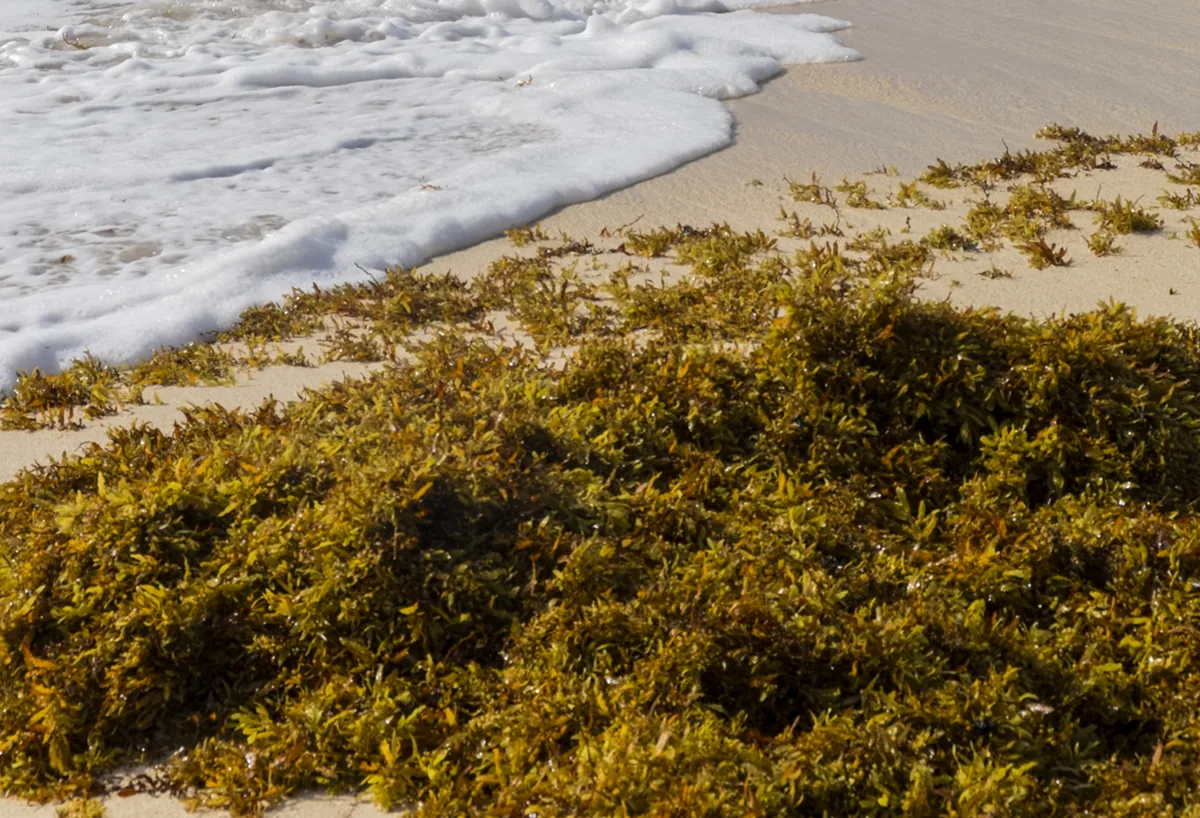
Florida Keys residents and visitors are currently contending with a substantial influx of sargassum seaweed, which is accumulating on shorelines and in canals, leading to unpleasant odors and environmental concerns. The sargassum, a type of free-floating seaweed, is typically beneficial in offshore waters where it serves as a habitat for marine life. However, when washed ashore and left to decompose, it can cause significant problems.
Decomposition Creates Unpleasant Conditions
Stephen Frink, an underwater photographer with decades of experience in the Keys, described the current sargassum situation as "certainly worse than it has been." He noted that the seaweed appearing on the shores this summer is primarily "dead material," unlike previous occurrences where it was a "vibrant mass of life." The decomposition process depletes oxygen in the water, leading to fish kills and creating a foul smell that has impacted coastal accommodations and events.
Frink recounted an instance where a friend staying at Ocean Reef had to request a room change due to the strong odor emanating from the decomposing seaweed.
Marine biologist Shelly Krueger, a Monroe County extension agent with the University of Florida, confirmed that the seaweed is being pushed ashore by south to southeast winds. She has been receiving calls from concerned residents in the Lower Keys about the buildup. The accumulation and smell have been so pronounced that officials recently relocated the annual Juneteenth event from its usual location at Higgs Beach to city hall.
A New Phenomenon Since 2011
Krueger explained that while sargassum has historically appeared along the coast, the current scale and nature of the problem are linked to a phenomenon observed since 2011. Before this period, large quantities of pelagic sargassum were primarily found in the Sargasso Sea. Now, scientists have identified a massive accumulation, dubbed the Great Atlantic Sargassum Belt, forming just above the equator and stretching thousands of miles across the Atlantic.
"So, this is a new source of sargassum, something we’ve never seen before," Krueger stated, indicating that this new source contributes to the increased presence impacting regions like the Florida Keys. She also noted that while the situation is problematic for the Keys, it is not as severe as the issues faced in other locations such as Martinique, Barbados, and Mexico. Krueger views the current inundation as a "temporary issue and probably the new normal" for the area, driven by wind patterns. For more detailed information on this ongoing sargassum event, readers can refer to Krueger's blog post.
Impact on Local Activities and Outlook
The sargassum's presence is affecting various coastal activities. Frink observed at Key Largo Fisheries that the water in a local basin, typically a spot to view nurse sharks and tarpon, was so thick with seaweed that visibility was reduced to less than two feet. Piles of sargassum are also lining the shore and boat ramps at locations like Harry Harris Park in Tavernier.
Despite the current unpleasantness, the situation is expected to be temporary. "We’re stuck for a few weeks, no matter what the wind does," Frink commented on the immediate outlook. Krueger added that the seaweed will recede once the wind patterns shift. "Basically, as soon as the wind changes, it will go back offshore," she explained. Residents and businesses are advised to monitor wind conditions for relief from the current sargassum bloom. For ongoing local news and updates, visit Keys Weekly.