 By
By 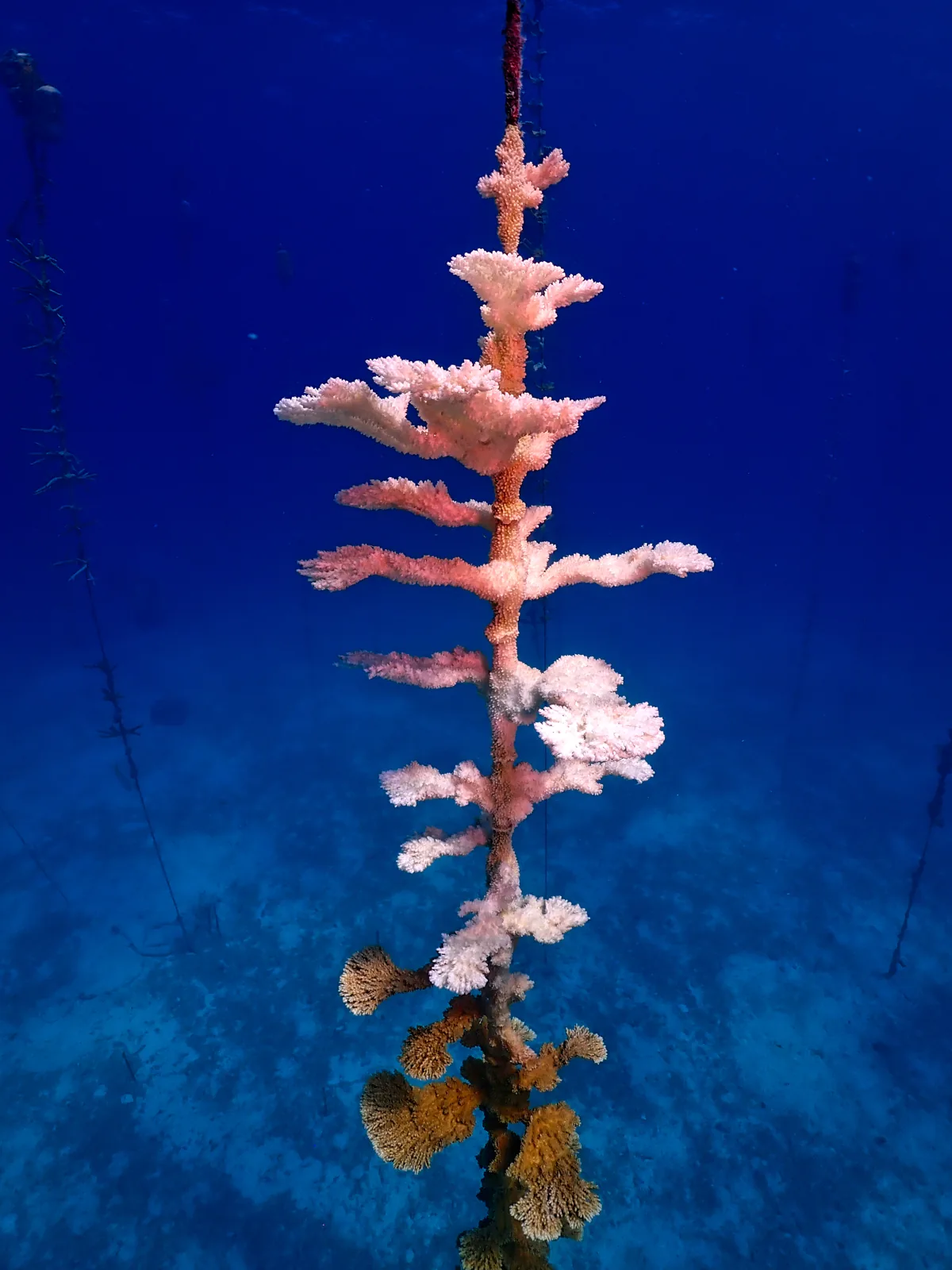
From June 4-7, hundreds of individuals dedicated their time to the restoration of Florida's Reef Tract through the 11th annual Coralpalooza event, organized by the Coral Restoration Foundation (CRF). Participants, including divers, snorkelers, and coral advocates, engaged in hands-on activities aimed at supporting the vital ecosystem.
Community Effort for Coral Health
The event, which spanned from Key Largo to Key West, allowed volunteers to directly contribute to reef restoration efforts. Roxane Boonstra, CRF’s learning ecosystems administrator, highlighted the event's growth from a small staff and volunteer initiative to a significant community celebration. Boonstra emphasized that Coralpalooza is crucial for raising awareness about the importance of coral reefs as a shared resource, encouraging active participation in their preservation.
“These events are critical to letting everyone know that coral reefs are a resource that belongs to all of us, and that we can all have an active role in helping them thrive,” Boonstra stated.
Coralpalooza provided volunteers with direct experience in coral care, working alongside scientists and practitioners. This year, 190 volunteer divers and snorkelers, supported by 15 donated boats, contributed over 1,100 hours to restoration activities. A significant portion of this time, 514 hours, was spent underwater cleaning 100 coral trees across three offshore nurseries.
Nursery Maintenance and Education
The underwater work focused on maintaining the health of nursery corals, particularly ahead of the summer heat. Volunteers removed algae and other competing growth from the coral trees, which helps ensure the corals' survival, growth, and readiness for outplanting onto local reefs. Beyond the direct restoration work, Coralpalooza extended its reach through educational initiatives, engaging nearly 1,500 people via booths, community gatherings, and public events at locations like Zoo Miami, Key Largo’s Caribbean Club, and the Key West Aquarium.
Boonstra expressed her consistent amazement at the participants' enthusiasm, noting the blend of excitement for the event and appreciation for the ongoing restoration work. She observed that approximately 40% of this year's participants were returning volunteers, with many first-time attendees having sought to join for years. Boonstra described the event as a reunion of like-minded individuals who bring new participants each year, contributing to the event's expansion.
Global Reach and Local Impact
While the Florida Keys serve as the central hub for Coralpalooza, the initiative has expanded globally. In 2026, 20 organizations worldwide participated, including CRF’s program in St. Croix and partners in various international locations. These groups engaged in diverse activities such as maintaining nurseries, outplanting corals and sponges, monitoring reefs, installing shade structures, and hosting educational events, all united by the goal of connecting people with coral reefs and fostering a sense of responsibility for their protection.
Kate Toth, conservation coordinator with Tavernier’s Conch Republic Divers, shared her positive experience as a first-time Coralpalooza participant. She noted the excitement among her team, which included Florida Fish and Wildlife officers, as they cleaned coral trees at CRF’s Tavernier nursery, the world's largest. Toth believes events like Coralpalooza are vital for connecting individuals who enjoy marine activities with the less visible but critical work of reef restoration.
“As someone with a background in coral science, it was equally if not more rewarding to see how big, healthy and happy the ACER (Acropora cervicornis, or staghorn corals) were,” Toth added.
Toth emphasized that global conservation events are instrumental in informing and engaging local communities. She pointed out that many Keys residents and visitors enjoy snorkeling, fishing, and diving but may not be fully aware of the role local nonprofits play in reef maintenance and restoration, or the extensive efforts involved. For more information on coral restoration efforts, visit the Coral Restoration Foundation website. Details on Florida's reef tract can be found through Florida Realtors.