 By
By 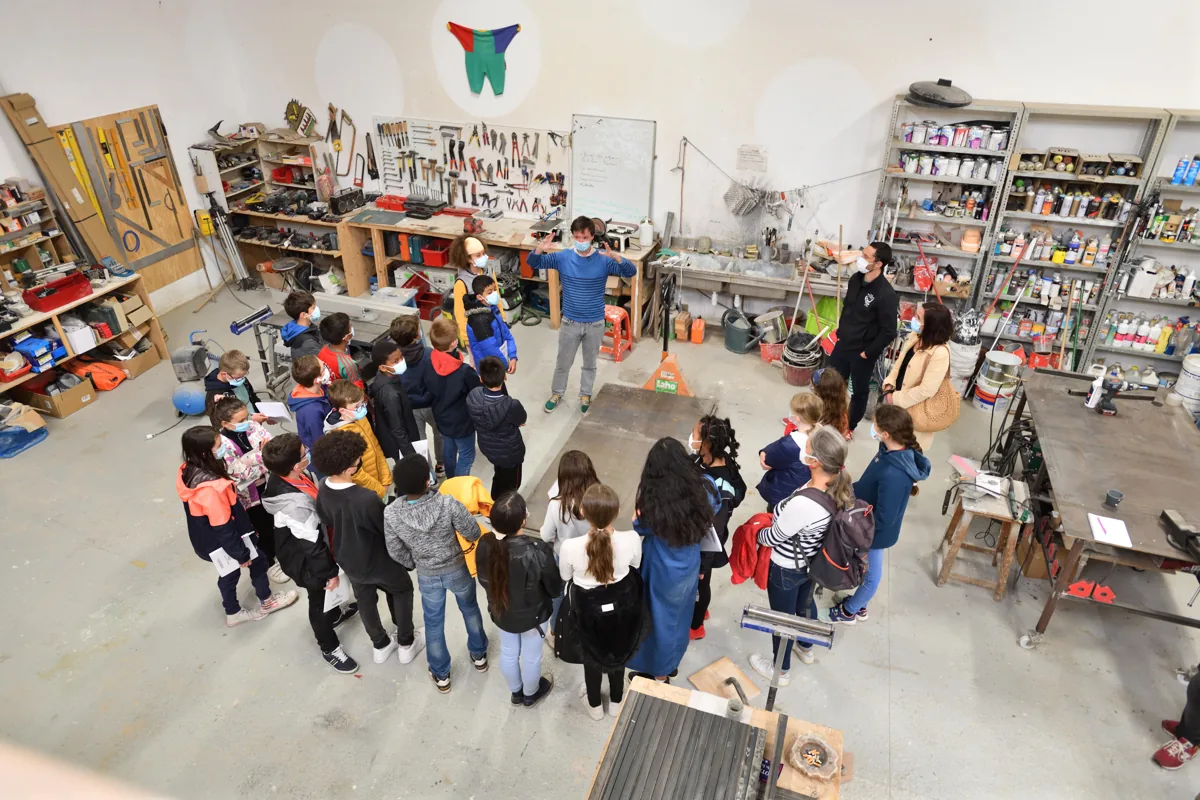
The REEF Environmental Education Foundation (REEF) celebrated the one-year anniversary of its Ocean Exploration Center (OEC) in Key Largo this month. The center, designed to make ocean discovery accessible to everyone, has already welcomed more than 18,000 visitors.
A Year of Discovery
Since opening its doors, the OEC has served as a central hub for public engagement with marine science and conservation. In addition to the on-site visitors, REEF has reached an additional 2,600 individuals through offsite educational programs, field trips, expeditions, and virtual learning opportunities. This expansion of reach aligns with REEF's long-standing mission.
“For over 30 years, we’ve been integrating citizen science and public education into everything we do, and the Ocean Exploration Center is the physical embodiment of that mission,” said Christy Pattengill-Semmens, REEF’s co-executive director. “It’s another exciting chapter in REEF’s story.”
Interactive Exhibits Engage Visitors
The OEC features a variety of immersive exhibits designed to spark curiosity and educate visitors about marine life and citizen science. One popular activity is the “dry century dive,” where visitors search for over 100 hidden reef fish throughout the center. Other exhibits allow guests to build custom fish, experience a simulated Nassau grouper spawning aggregation, and examine invasive lionfish stomach contents under microscopes.
Jill Kuehnert, the OEC campus director, described the exhibits as intentionally designed to teach without visitors necessarily realizing they are learning. The center’s “choose your own adventure” approach ensures that each visit can be a unique experience, catering to different interests and time commitments.
Shelby Thomas, engagement coordinator, shared a fond memory from the opening week, highlighting a grandmother and granddaughter deeply engaged in completing the dry century dive together for over an hour, fostering a shared connection. The center's commitment to accessibility is reflected in its free admission policy, ensuring that cost is not a barrier to ocean education.
Community and Future Initiatives
The OEC's construction received partial support from the Monroe County Tourism Development Council, an investment seen as reflecting a broader strategy to attract a more informed and conscious visitor to the Keys. Kuehnert noted that the council recognized the value of an educated visitor for the long-term well-being of the Keys.
The center hosts free “Oceans for All” programs on Tuesday evenings, featuring lectures, ocean yoga, and workshops. School groups frequently utilize the classrooms, and the campus serves various community needs, including teacher training and conservation events. REEF also plans to host fellows from Anthropic’s inaugural Claude Corps later this year, who will collaborate on developing AI tools for REEF's Volunteer Fish Survey Project. More information about REEF's programs can be found on their website, REEF.org.
Kuehnert expressed hope that the OEC will be a valuable asset to both the local Keys community and visitors from afar, contributing to the preservation of the unique Keys environment. Further details about the OEC and its offerings are available through Keys Weekly.