 By
By 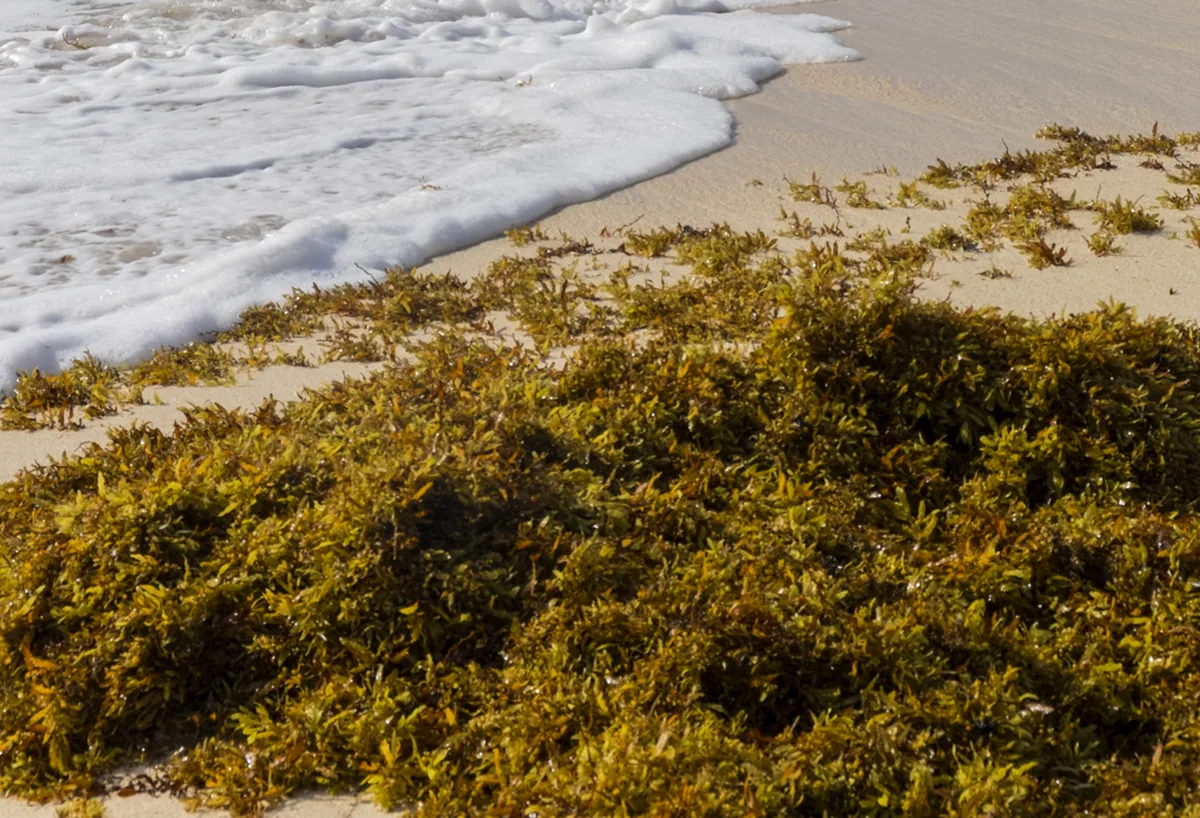
Monroe County is issuing guidance to residents and partners regarding the substantial amount of sargassum seaweed washing ashore and into canals throughout the Florida Keys. This naturally occurring seaweed, vital for marine habitats, is causing periodic disruptions and contributing to fish kills as it decays.
According to the Keys Weekly, the county is working with state agencies, including the Florida Department of Environmental Protection (DEP), to inform the public about current conditions and regulatory guidelines. The DEP has indicated that this year's sargassum bloom is extensive, affecting the ocean side of the Keys and is expected to persist through the summer.
While clearing sargassum from canals might offer temporary relief, it is not a permanent solution, as further blooms are anticipated. The county reminds residents that regulations govern the removal of sargassum, and information on these rules can be found on the Florida Fish and Wildlife Conservation Commission website at myfwc.com/research/about/ear/sargassum/.
The Florida Department of Health has issued advisories regarding the decomposition of sargassum, which releases hydrogen sulfide gas. This gas, similar in smell to rotten eggs, can irritate the eyes, nose, and throat, particularly affecting individuals with respiratory conditions like asthma. The department advises limiting exposure, avoiding direct contact with decaying seaweed, and seeking medical attention if symptoms do not improve.
In areas where sargassum is decomposing in canals, it can deplete oxygen levels in the water, leading to fish kills. Residents who witness fish kills are encouraged to report them using state hotlines. Monroe County Parks and Beaches crews are actively conducting cleanup operations at county-managed beaches, such as Harry Harris Park, utilizing equipment like clamshell trucks.
County officials and partner agencies will continue to monitor the sargassum situation and provide updates as necessary.